

5 Signs Your Business Needs a CRM Right Now
CRM, Sales, Marketing, Customer Relationships
5 Clear Signs Your Business Needs a CRM Right Now
If managing customers feels harder than winning them, it might be time for a Customer Relationship Management (CRM) system. Many growing businesses hit the same frustrating roadblocks: scattered information, missed opportunities, and no clear view of what is actually happening in the pipeline. Here are five clear signs your business is ready for a CRM right now—and how it can help you regain control.
1. You Are Tracking Leads in Spreadsheets
Spreadsheets are great for quick lists, but they quickly become unmanageable as your lead volume grows. You might have multiple versions floating around, columns added on the fly, and no consistent way to see who owns which lead or what happened last. Sorting and filtering helps for a while, but it is easy to overwrite data or lose track of the latest file.
This hurts your business because it slows everything down. Sales and marketing spend more time updating cells than talking to customers. Important context—like last conversation notes or objections—gets buried or deleted. As a result, leads go cold while you are busy wrestling with formulas and tabs.
A CRM centralizes all your leads in one place, automatically records activity, and makes it easy to assign owners, set stages, and track progress. Instead of static rows, you get living records that update in real time and support your team’s daily workflows.
2. Follow-Ups Fall Through the Cracks
If you have ever thought, “I meant to follow up with them last week,” you are not alone. When follow-ups live in sticky notes, inbox flags, or someone’s memory, they are guaranteed to be missed. Prospects who were once excited stop responding, and existing customers quietly drift away to competitors who were more consistent.
Missed follow-ups directly impact revenue. Deals stall, churn increases, and your team ends up chasing “new” leads instead of nurturing the warm ones already in your world. It also makes forecasting unreliable because you do not have a clear sense of which opportunities are truly active.
A CRM solves this with automated reminders, tasks, and sequences. You can schedule the next step while you are still on the call, and the system will nudge you at the right time. Some CRMs even automate emails and follow-up cadences, so your prospects never feel forgotten again.
3. Your Team Is Not Aligned
Misalignment shows up as duplicate outreach, conflicting messages, or awkward handoffs between marketing, sales, and customer success. One person promises a discount the other has never heard of. Another calls a prospect who already said “not now” last week. Internally, everyone has their own version of the truth, and meetings are spent reconciling stories instead of planning next steps.
This confusion damages trust with customers and wastes internal time. It also makes it hard to onboard new team members, because there is no single, reliable source of information about your accounts and deals.
A CRM gives your team a shared workspace. Every interaction, note, and document lives on the same customer record, so anyone can see the full history before they reach out. Clear ownership, standardized stages, and shared dashboards keep everyone on the same page and moving in the same direction.
4. Customer Data Lives in Five Different Places
Maybe emails sit in your inbox, contracts in shared drives, invoices in accounting software, support tickets in another tool, and marketing engagement in yet another platform. To get a complete picture of a single customer, you have to jump between systems and hope nothing is missing. It is time-consuming and error-prone, especially when you need answers fast.
Fragmented data leads to inconsistent experiences. You might pitch an upsell to a customer who has an unresolved support issue, or send a generic campaign to someone who just signed a major contract. It also limits your ability to analyze trends or segment your audience effectively.
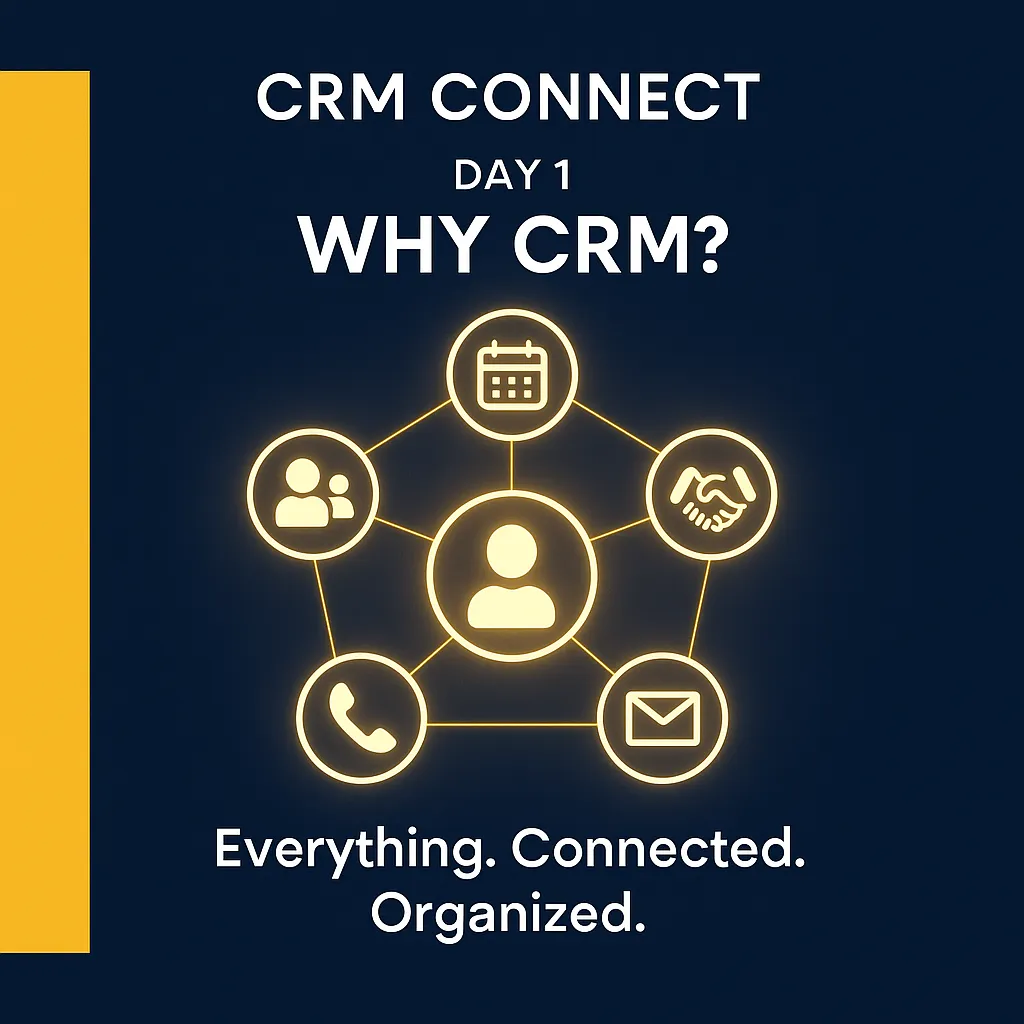
A CRM acts as your central hub, pulling in data from email, marketing tools, support platforms, and more. With integrations and custom fields, you can see the full customer journey in one place, enabling smarter decisions and more personalized communication.
5. You Cannot See Your Pipeline Clearly
When you ask, “What is in our pipeline?” and the room goes quiet—or you get five different answers—that is a red flag. Without a clear view of deals by stage, owner, and expected close date, it is almost impossible to forecast revenue, plan hiring, or set realistic targets. You end up managing by gut feeling instead of data.
This uncertainty creates stress for leadership and frustration for your team. High performers want clarity on goals and progress, while owners and marketers need visibility into what is working and where deals are stalling.
A CRM gives you visual pipelines, customizable dashboards, and real-time reports. You can instantly see how many deals sit in each stage, where bottlenecks occur, and what your projected revenue looks like over the next quarter—so you can make informed decisions with confidence.
Ready to Bring Order to Your Customer Relationships?
If any of these signs feel familiar, your business has likely outgrown spreadsheets and scattered tools. A well-chosen CRM can streamline your processes, align your team, and give you the visibility you need to grow with confidence. Start by mapping your current customer journey, then explore CRM platforms that fit your size, industry, and goals—and turn your customer data into a true growth engine.