

CRM Tip: Why Your CRM Is the Backbone of a Thriving Business
Business Growth, CRM, Customer Relationships
Why a CRM Is the Backbone of a Thriving Business
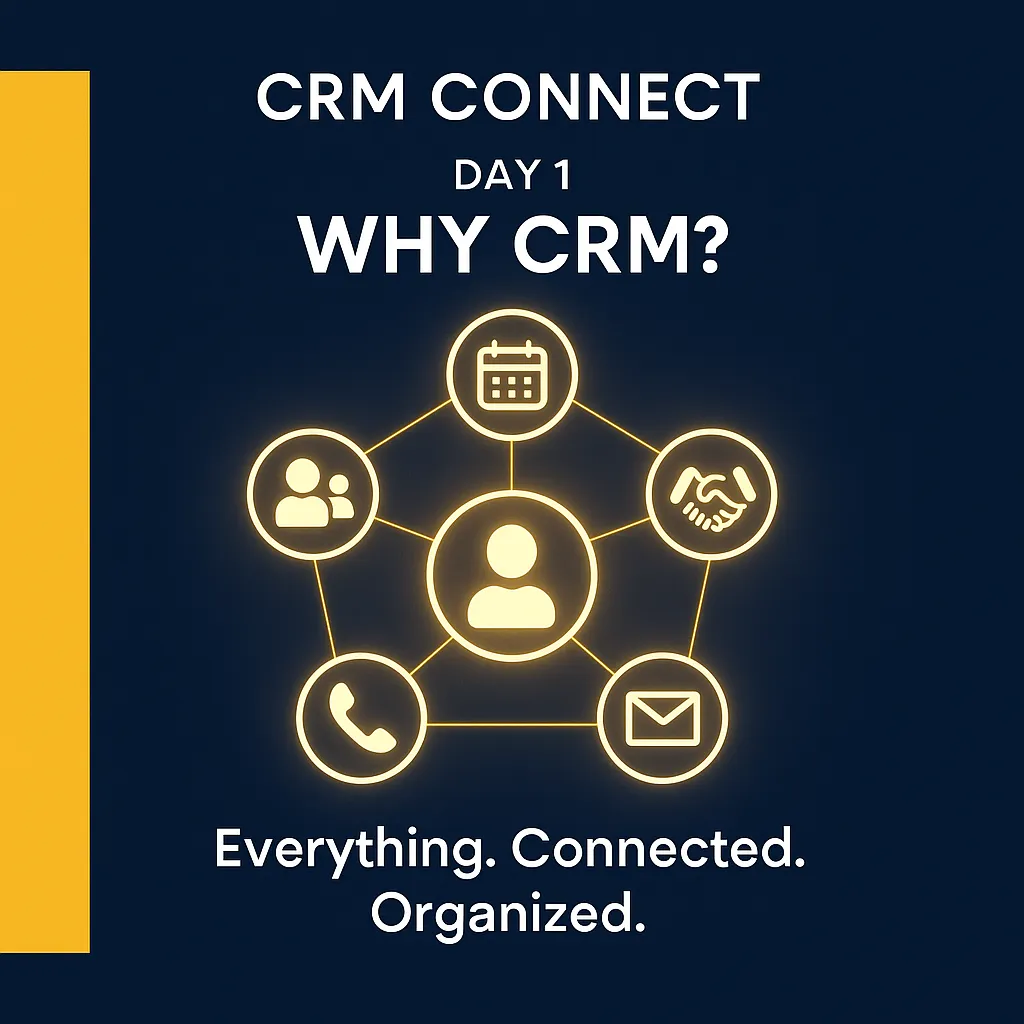
A CRM isn’t just software. It’s the central nervous system of your business, quietly keeping every call, email, deal, and customer interaction connected so you can grow with confidence instead of chaos.
What a CRM Actually Is (Beyond the Buzzword)
CRM stands for Customer Relationship Management, but it’s more than a contact list. At its core, a CRM is a shared database and workflow hub where your team stores, tracks, and manages every interaction with leads and customers. Modern platforms like HubSpot, Salesforce, Pipedrive, and Zoho CRM combine contact records, deal pipelines, email history, tasks, notes, and reporting in one place so everyone sees the same up‑to‑date picture of each relationship.
Why Every Business Needs a CRM
Whether you’re a solo consultant or a growing sales team, relying on spreadsheets and inbox searches eventually breaks. Leads slip through the cracks, follow‑ups are forgotten, and no one can see what’s really in the pipeline. A CRM solves this by giving you:
- Visibility into who you’re talking to, what was said, and what happens next.
- Accountability with clear owners, due dates, and reminders for every opportunity.
- Predictability through accurate, real‑time sales and marketing reports.
This is why CRMs are no longer “nice to have” tools for big enterprises. They’re essential infrastructure for any business that wants to grow intentionally instead of reactively.
How “One Source of Truth” Transforms Daily Operations
When everything lives in your CRM, your day looks very different. Instead of bouncing between email, notes apps, and spreadsheets, you open your CRM and immediately see your priorities: overdue follow‑ups, deals in each stage, and key accounts that need attention. Sales reps can review the full history of a prospect before a call. Marketers can segment lists based on behavior, not guesswork. Customer success teams can see promises made during the sales process and deliver consistently. No more “Who owns this lead?” or “Did anyone ever follow up with them?” — the answer is always in the system.
Practical Tips for Getting Started with a CRM
- Start with your process, not the tool. Map how leads come in, how you qualify them, and how you close deals. Then configure stages and fields in platforms like Pipedrive or HubSpot to match that flow.
- Keep your data clean and simple. Begin with essential fields: name, company, contact details, lead source, deal value, and next step. You can always add more later.
- Integrate your email and calendar. In tools like Salesforce or Zoho CRM, connect your inbox so emails automatically log to contact records and meetings sync as activities.
- Set clear usage rules. Decide as a team what “must be in the CRM” (e.g., every new lead within 24 hours, every call logged) and review adherence regularly.
Why CRM‑Driven Businesses Outperform
Businesses that fully adopt a CRM consistently close more deals, shorten sales cycles, and retain customers longer. The reason is simple: they’re not guessing. They know which channels generate the best leads, which reps need coaching, which segments respond to which messages, and where revenue is likely to land this month. That clarity turns your CRM from “just software” into a strategic advantage — the backbone that supports every conversation, campaign, and decision as you scale.