

Why Poor Follow-Up Costs Businesses 20% of Their Customers
CRM, Customer Retention, Sales Follow-Up
Poor Follow-Up Is Costing You 20% of Your Customers — Here’s How a CRM Fixes It
“The average business loses 20% of its customers due to poor follow-up.” If that sounds dramatic, consider how many leads, trial users, and past buyers are sitting in your database right now, simply waiting for a helpful nudge. Without a CRM, those opportunities quietly disappear. With the right system, they turn into predictable revenue.
The Real Cost of Poor Follow-Up: More Than Just Missed Emails
Poor follow-up doesn’t just “feel” expensive — it is. Studies show that 48% of reps never follow up after the first touch, leaving warm leads to go cold. Meanwhile, responding within just five minutes can make a prospect 21 times more likely to convert. When the average support email sits for over 12 hours before a reply, it is easy to see where revenue leaks out of the pipeline.
On the retention side, the stakes are even higher. Research shows that a modest 5% increase in retention can boost profits by 25–95% because existing customers buy more often and spend more over time. Yet B2B data suggests that 43% of churn happens in the first 90 days, often due to weak onboarding and inconsistent check-ins. When follow-up is slow or sporadic, customers assume they are not a priority — and they behave accordingly.
The hidden cost is reputation. Poor follow-up feels like poor service. That leads to negative word-of-mouth, lower reviews, and prospects choosing competitors who simply respond faster and more consistently. You are not just losing one deal; you are losing the referrals and repeat purchases that would have followed.
Why Most Businesses Fail at Follow-Up Without a System
Most teams are not lazy; they are overloaded. Leads live in spreadsheets, inboxes, sticky notes, and DMs. There is no single source of truth, no clear owner, and no automated reminders. When your day fills up with calls, meetings, and urgent fires, the “I’ll follow up later” list simply never happens.
Without a system, follow-up is based on memory and good intentions. That means:
- No standardized cadence for new leads, trials, or renewals
- No visibility into who was contacted, when, and what was said
- No alerts when a hot opportunity goes quiet or a renewal date is approaching
In that chaos, it is easy to lose 20% of customers and never even notice until the revenue reports arrive.
How a CRM Fixes Follow-Up So Nothing Slips Through the Cracks
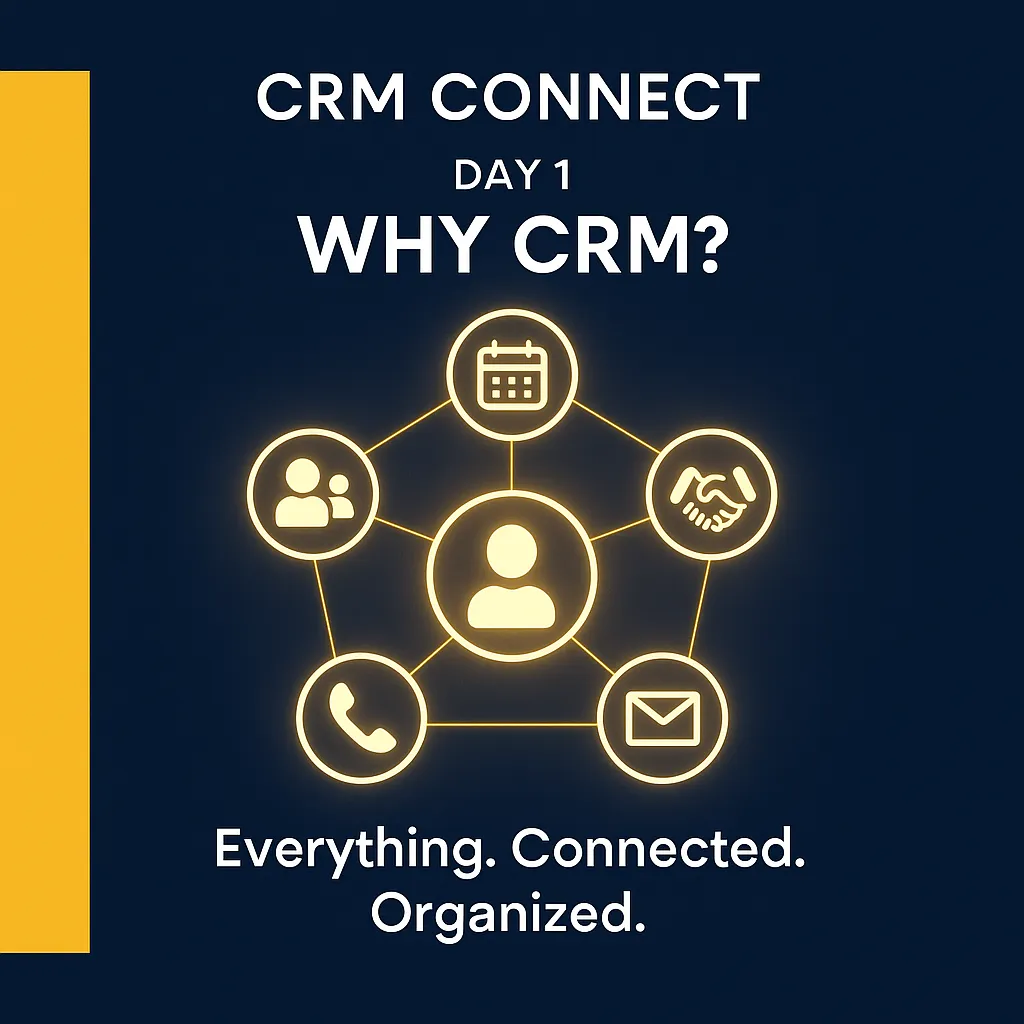
A modern CRM turns follow-up from a memory game into a repeatable process. Instead of relying on people to remember every next step, you design automated workflows that do the heavy lifting for you.
- Centralized data: Every lead, customer, and conversation lives in one place, across email, chat, phone, and social.
- Automated sequences: When a new lead comes in, the CRM automatically sends a welcome email, schedules follow-up tasks, and reminds your team to call at set intervals.
- Smart alerts: If a customer has not heard from you in a while, or a renewal date is 30 days away, the system flags it before it is too late.
With tools like CRM Connect, every new contact triggers a predefined journey. Your next customer is already in your pipeline — the CRM simply makes sure they are never forgotten.
Practical Steps to Set Up Follow-Up Automation Today
- Map your customer journeys. Outline key stages: new lead, demo booked, proposal sent, new customer, 30/60/90 days, renewal. Note where follow-up tends to break down.
- Define a follow-up cadence for each stage. For example, new leads get a same-day response, a follow-up at 24 hours, then 3, 7, and 14 days with value-driven messages.
- Build automated workflows in your CRM. Use triggers like “form submitted,” “deal created,” or “contract signed” to launch email sequences and task reminders automatically.
- Personalize with data. Segment by industry, deal size, or behavior, and use dynamic fields (name, company, last product viewed) to keep messages relevant, not robotic.
- Measure, refine, repeat. Track response times, open rates, conversions, and churn. Small improvements in follow-up speed and consistency compound into major revenue gains.
Every minute without a CRM, leads are slipping away. Put a system in place, and that “lost 20%” becomes your most reliable growth channel.